

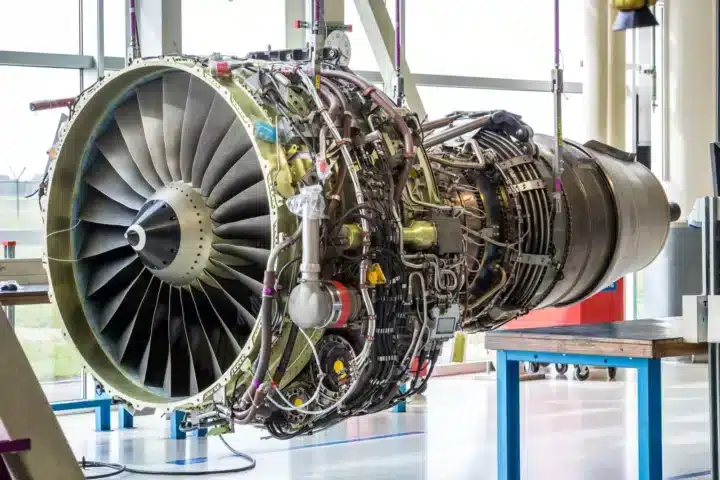
Rhenium: The Critical Metal at the White-Hot Heart of the Jet Engine
Deep inside the turbine of a modern jet engine, in the first stage just behind the combustor, gas temperatures can exceed 1,650 °C which is hotter than the melting point of the very nickel the engine is built from [5]. Spinning in that inferno are turbine blades, each one cast as a single, unbroken metallic...Read More→
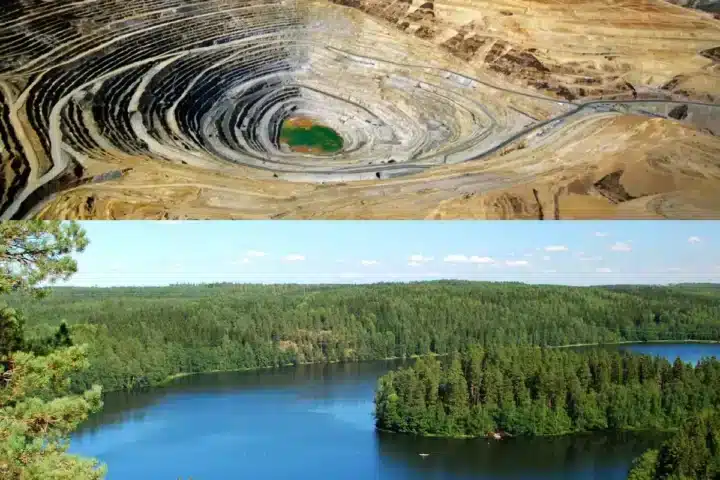
Responsible by Design: How IBC follows Green Engineering & Green Chemistry Principles
How Irresponsible Mining Can Lead to Disaster On a late-November day in 2016, a flock of snow geese migrating south set down to rest on a lake in Butte, Montana. From a distance the water looked inviting; a still, emerald-green expanse ringed by terraced rock. Within days, several thousand of the birds were dead. By...Read More→
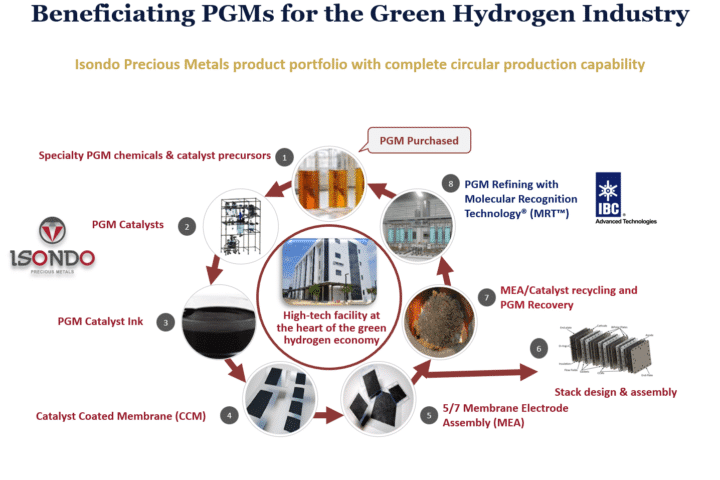
Recycling Iridium and Other PGMs with MRT™: Using Critical Minerals to Help Enable the Hydrogen Energy Economy in South Africa
A continent of extreme geological wealth, Africa contains some 30 percent of the world’s critical mineral reserves, 40 percent of the world’s gold and up to 90 percent of its chromium and platinum. The largest reserves of cobalt, diamonds, platinum and uranium in the world are in Africa [1]. Although African nations bear the environmental and...Read More→
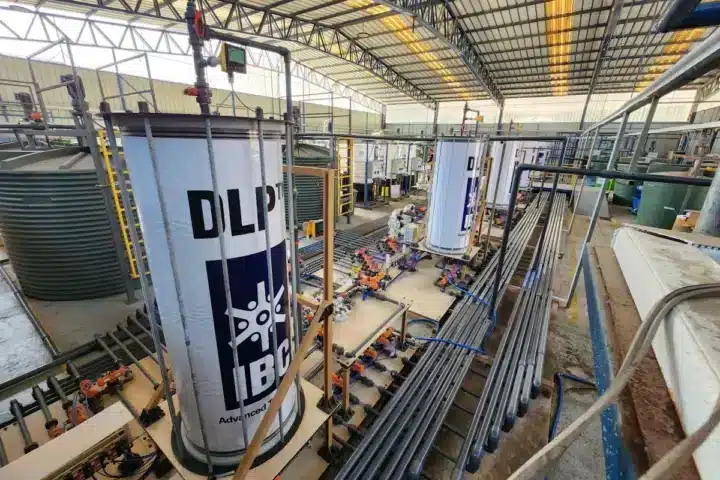
Lithium Recycling Challenges and How Direct Lithium to Product® (DLP™) Improves Lithium Economics
Lithium Solves the Puzzle of Energy Storage Lithium is the foundation of the modern energy transition. Its unique electrochemical properties, notably the highest electric potential of any metal (3.7 eV) combined with the lowest atomic weight, make it irreplaceable in high-energy-density rechargeable batteries. Every electric vehicle, every grid battery, and every consumer device powered by...Read More→
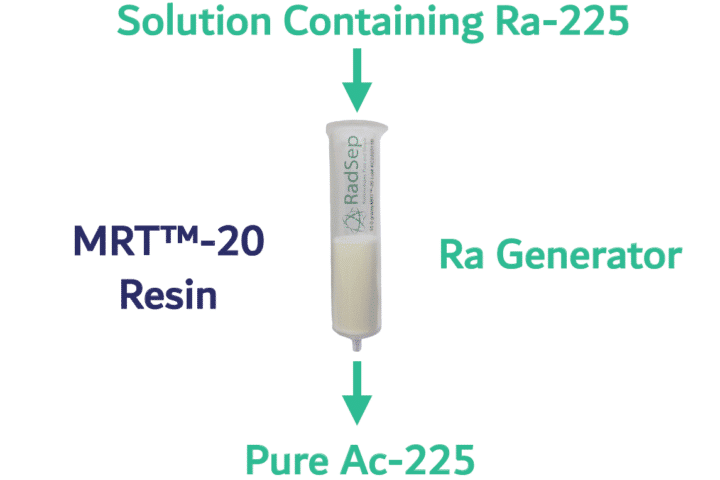
MRT™ Flowsheets for Ac-225: Improving Purity, Recovery and Supply Reliability
The Growing Demand for Ac-225 in Targeted Alpha Therapy Cancer researchers at leading institutions worldwide are investigating one of the rarest and most promising substances in modern medicine. Actinium-225 (Ac-225), a highly radioactive isotope used in targeted alpha therapy (TAT), has demonstrated significant therapeutic potential, but clinical development and commercialization remain constrained by limited global...Read More→
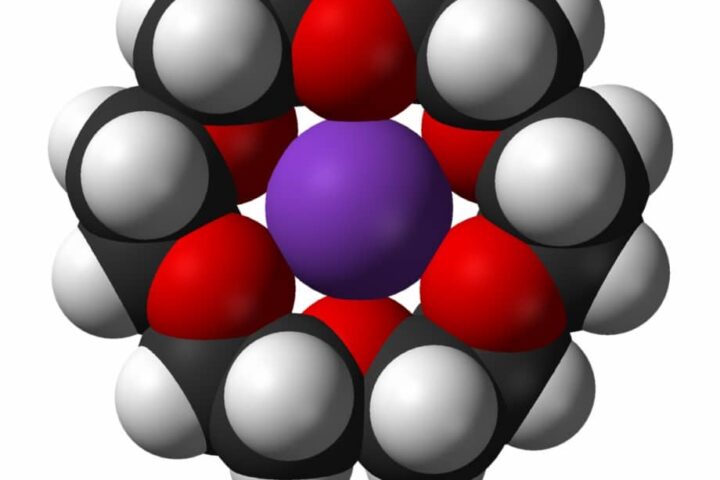
Macrocyclic Chemistry: From Nobel Prizes to the Realization of Precision Industry
Scaling highly selective, high precision separations with Molecular Recognition Technology® (MRT™) What began as a Nobel Prize-winning discovery in “host-guest” chemistry has evolved into a cornerstone of modern industrial separation. By engineering molecules that recognize and bind specific metals with atomic precision, Molecular Recognition Technology® (MRT™) is realizing the decades-old vision of rearranging atoms to create a...Read More→
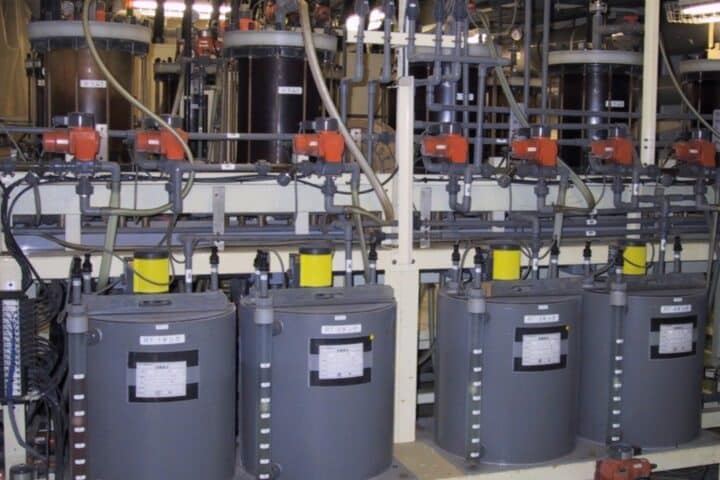
Catalytic Converter Recycling: Highly Efficient Recovery of Platinum, Palladium, and Rhodium with Molecular Recognition Technology® (MRT™)
The Environmental Origins of Catalytic Converter Technology The word smog brings to mind a gray, choking cloud—so integrated with the city that it seems impossible to escape. Irritating the nose, throat, and eyes, it clouds everything and leaves a film of grime on buildings, streets, and skin. Smog was once a common feature of major...Read More→
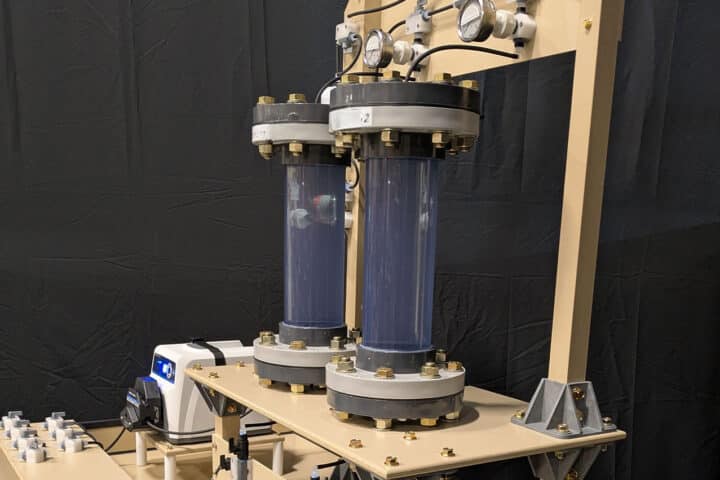
Removing Lead from Contaminated Water: How MRT™ Enables Highly Selective Lead Recovery
The Long Legacy of Lead Mining Lead is one of the most anciently worked metals. Evidence near present-day Turkey suggests lead smelting as early as the 7th century BC, possibly representing one of the earliest metal smelting sites. Over time, the myriad uses for lead expanded and its mining and use reached a peak during...Read More→
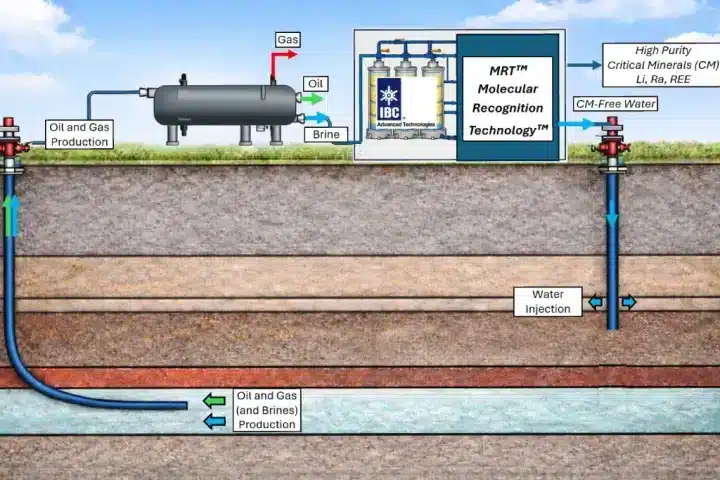
Recovering Critical Minerals from Oil & Gas Brines: Turning Produced Water into a Strategic Resource
Brines occur naturally in many environments, and they are increasingly recognized as potential sources of valuable minerals. Underground aquifers can become saline as water slowly dissolves minerals from surrounding rock formations. In the simplest terms, brine refers to water containing a high concentration of dissolved salts. But beneath that straightforward definition lies a complex mixture....Read More→
Removing Toxic Metals from Food Systems: How MRT™ Enables Ultra-Selective Heavy Metal Purification
Toxic Metals and the Modern Food Chain Toxic metals are an invisible hazard woven into the modern food chain. Among the most damaging to human health are lead, mercury, cadmium, arsenic, and chromium. The effects of lead, arsenic, and mercury, were known to the ancients, while the dangers of cadmium and chromium have been realized...Read More→